















Product Overview
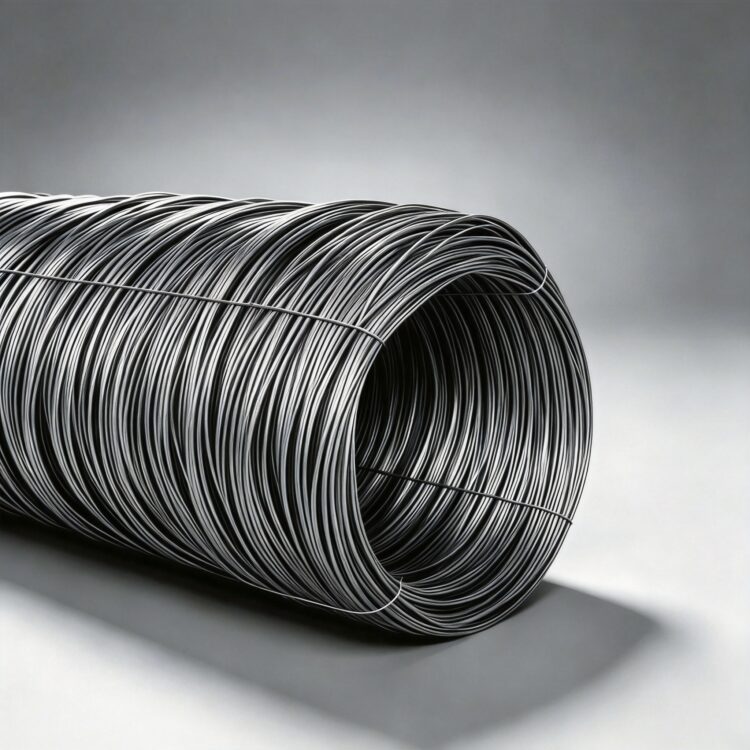
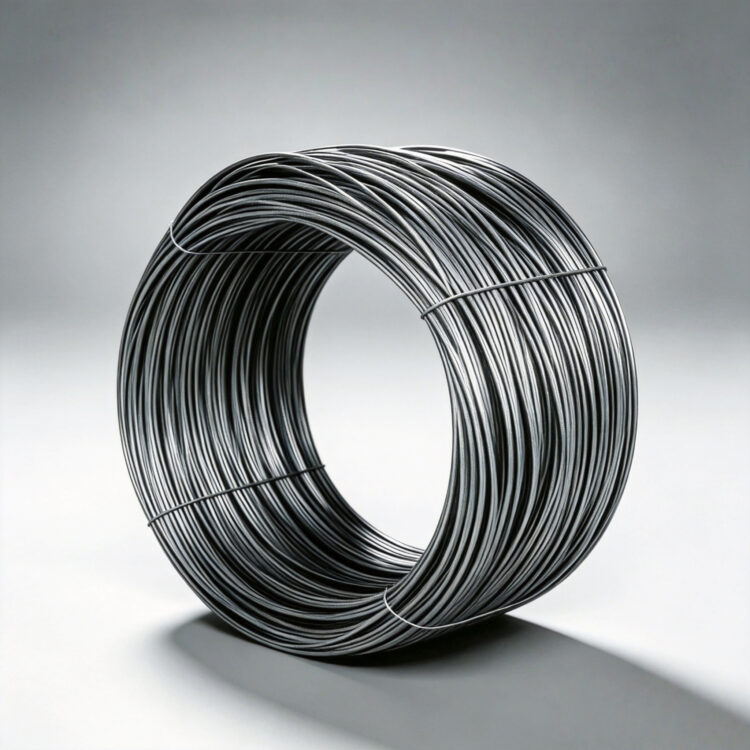
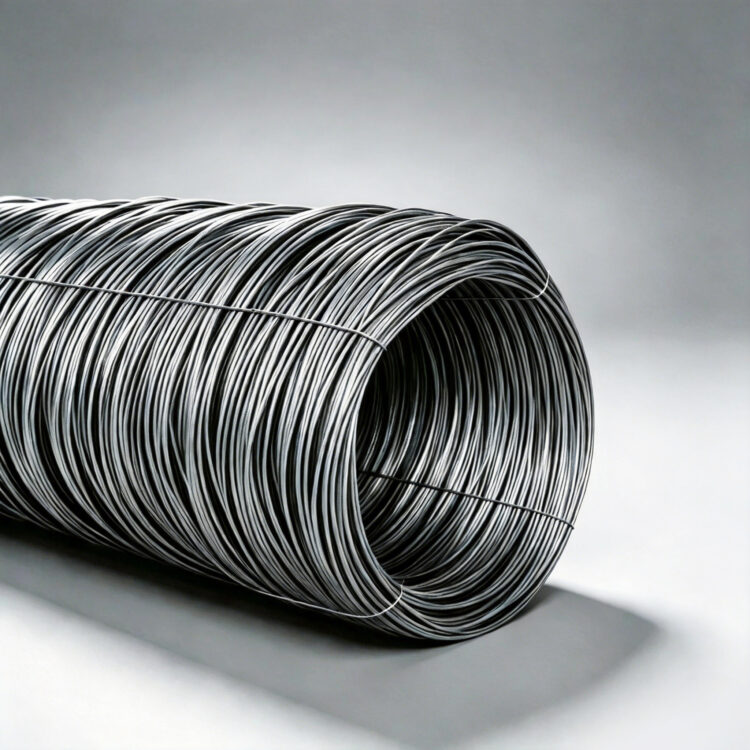
Cold heading wire rod, also called cold forging wire rod, is a low-carbon or boron-treated alloy rod designed to be upset and forged at room temperature into bolts, nuts, screws and other fasteners without cracking. Jingye supplies SWRCHB220-Cr and SWRCHB320-Cr to JIS G3507, ML08Al to GB/T 6478 and SAE 10B21.
The microstructure is uniform and ductility is high, which supports high-speed heading and produces fasteners with consistent dimensions and properties.
Grades and Standards
| Grade | Standard | Notes |
| SWRCHB220-Cr / SWRCHB320-Cr | JIS G3507 | Boron-treated cold heading grades |
| ML08Al | GB/T 6478 | Chinese cold heading and cold extrusion grade |
| SAE 10B21 | SAE | Boron-treated grade for higher strength fasteners |
| CH1A | Mill grade | Special cold heading grade available on request |
Available Dimensions
Diameter 5.5 to 16 mm; supplied in coil.
Key Features
- High ductility for crack-free cold heading at high production rates.
- Uniform microstructure for consistent fastener quality.
- Boron-treated grades raise hardenability for high-strength bolts after heat treatment.
- Clean, low-defect surface for reliable drawing and phosphate coating.
Applications
- Bolts, nuts, screws and studs.
- Automotive and construction fasteners.
- Cold forged and cold extruded components.
Delivery, Testing and Quality
Wire rod is produced on high-speed wire rod mills and released with a mill test certificate, with chemistry, decarburisation and surface quality controlled for downstream drawing, cold heading and welding. Products are manufactured under ISO 9001 and ISO 14001.

Frequently Asked Questions
- What is cold heading?
Cold heading, also called cold forging, forms fasteners at room temperature by upsetting the wire, which avoids machining and produces very little waste.
- How does cold heading rod differ from drawing rod?
Cold heading rod is optimised for ductility and upsetting performance, while drawing rod is optimised above all for elongation and drawability. The microstructural aims differ.
- Why is boron added?
Boron markedly improves hardenability, so a low-carbon boron grade can reach high strength after quenching and tempering, which reduces forming load and tool wear compared with a higher carbon grade.